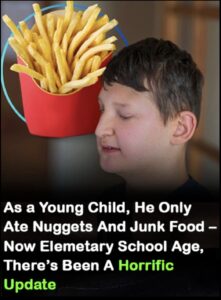
An 8-year-old child in Malaysia has permanently lost his eyesight after years of consuming an extremely limited, nutrient-poor diet. The case has sparked renewed discussion among health professionals about childhood nutrition, vitamin deficiencies, and preventable vision loss.

Doctors later diagnosed him with a severe vitamin A deficiency. Although relatively uncommon in high-income nations, vitamin A deficiency remains one of the leading causes of childhood blindness worldwide. In this instance, the prolonged deficiency led to optic atrophy — irreversible damage to the optic nerve — resulting in permanent vision loss.
Doctor Raises Public Health Awareness
Dr. Erna Nadia, a Malaysian physician known for sharing medical education online, discussed the case publicly to highlight the importance of balanced nutrition for children. She acknowledged that busy family schedules can make healthy meal planning challenging but emphasized that long-term dietary imbalance can carry serious health risks.
Her message focused on prevention, encouraging parents to monitor both eating habits and early warning signs of nutrient deficiencies.
Early Warning Signs of Vitamin A Deficiency
Reports from Daily Mail outlined several symptoms parents and caregivers should watch for:
Persistent dry eyes
Difficulty seeing in dim light (night blindness)
Grayish spots or patches on the whites of the eyes
Reduced tear production
These symptoms can signal declining eye health and should prompt immediate medical evaluation.
Why Vitamin A Is Essential for Children’s Health
According to the Cleveland Clinic, vitamin A plays a critical role in:
Maintaining healthy vision
Supporting immune system function
Promoting normal growth and development
Protecting eye surface tissues
Without adequate intake, children are at risk for infections, delayed growth, and vision complications.
Foods That Support Healthy Vision and Immune Function
Nutrition experts recommend incorporating a variety of vitamin A–rich foods into children’s diets, including:
Leafy green vegetables and broccoli
Carrots, sweet potatoes, pumpkin, and other orange vegetables
Mangoes, oranges, papayas, and cantaloupe
Eggs, dairy products, liver, beef, and chicken
Fortified cereals, grains, and soy products
Fatty fish such as salmon
In some regions, particularly where food insecurity is common, vitamin A supplementation programs are recommended for infants, young children, and pregnant or breastfeeding women.
A Global Public Health Concern
The World Health Organization identifies vitamin A deficiency as the leading cause of preventable childhood blindness worldwide. While rare in countries like the United States, cases linked to restrictive or highly processed diets have occasionally been reported.
In fact, Daily Mail previously covered a similar case involving a 12-year-old in Massachusetts who experienced severe vision loss connected to poor nutritional intake.
The Bigger Lesson: Balanced Diets Matter
This heartbreaking case underscores the importance of childhood nutrition, preventive healthcare, and early intervention. While convenience foods may be affordable and easy to prepare, a lack of essential vitamins can have lifelong consequences.
Healthcare providers emphasize that regular pediatric checkups, nutritional guidance, and diversified diets are key strategies in preventing avoidable health complications — including irreversible vision loss.
Ensuring children receive adequate vitamins and minerals isn’t just about growth; it’s an investment in lifelong health, immune strength, and quality of life.